Water & mold help for Tampa Bay homes
Water Damage Restoration in Palm Harbor, FL
Fast, local support for leaks, storms, and condo issues.
Local water and mold help for Palm Harbor
For water damage restoration in Palm Harbor, FL, Tampa Water Damage Restoration connects homeowners with local pros who can assess, dry, and repair water‑affected spaces. You get straightforward service matched to the way homes and condos are actually built here in North Pinellas.
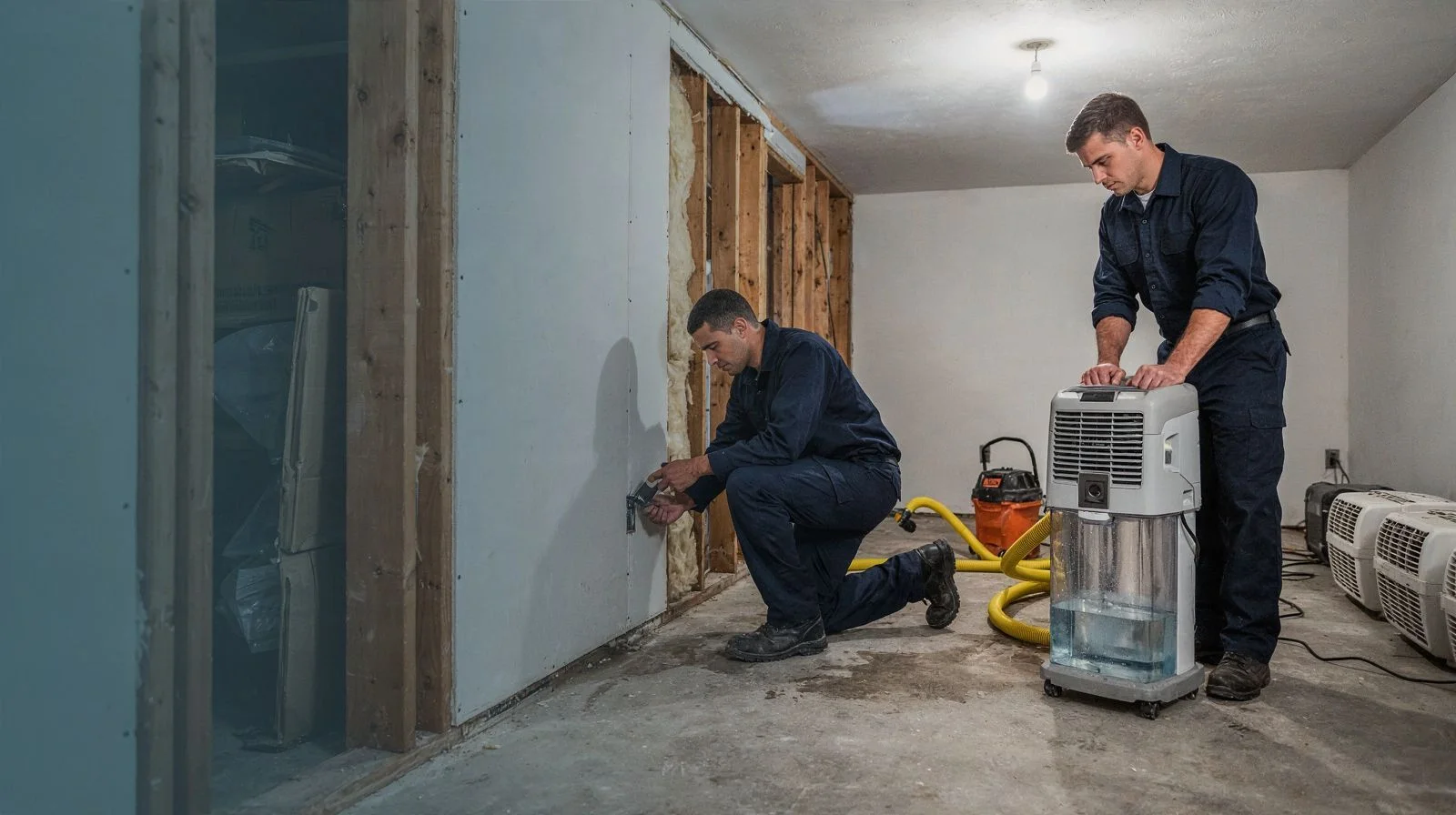
The contractors we match handle clean water leaks, storms that push rain around windows and sliders, and appliance or plumbing failures. They use moisture mapping, targeted extraction, balanced dehumidification, and careful repair planning so your home gets back to normal with less disruption.
Need mold remediation or condo water damage restoration? The matched teams follow industry standards, document their work for insurance, and coordinate with HOAs when needed. Office hours are 9 AM–9 PM daily at (656) 248-4007, and coverage is dispatched from Tampa, FL.
Palm Harbor, FL conditions
Palm Harbor sits near the Gulf with long, humid summers, quick downpours, and breezy storms that can drive rain under rooflines and around doors and sliders. Many homes are concrete block on slab with tile or luxury vinyl, which can trap moisture at baseboards and under cabinets; near Lake Tarpon, high ambient humidity makes drying plans more precise. Aging supply lines in 1970s–1990s builds add leak risk, and coastal salt air can accelerate wear on exterior openings. Local crews plan for tight moisture under finishes and the need for thorough dehumidification suited to our climate NWS Tampa Bay.
Serving Palm Harbor with local know-how
Palm Harbor, FL blends older concrete block homes, condos along US‑19, and single‑family neighborhoods stretching from the coast inland toward Lake Tarpon. The local pros we connect you with understand slab‑on‑grade construction, tile and stone finishes, and how Gulf humidity affects drying. Whether it is a supply line leak, an AC condensate overflow, or rain driven under a sliding door, they tune the plan to your materials and the microclimate around your home.
Getting from 6203 Johns Rd, #7, Tampa, FL 33634 to Palm Harbor
Crews typically head north on the Veterans Expressway (SR‑589), then transition onto SR‑580/Tampa Road toward Palm Harbor, or continue to Curlew Road depending on the address. When traffic patterns favor the eastern approach, another reliable option is SR‑60 west to McMullen Booth Road and then Curlew Road across to US‑19 or Alt US‑19. These routes make access consistent for homes near Wall Springs Park, neighborhoods around Lake Tarpon, and communities by Innisbrook Golf Resort. Having multiple route choices keeps response predictable during typical weekday congestion or summer showers.
What local homes often need
- Slab and baseboard moisture: On slab homes, water can track under baseboards and along wall plates. Pros remove or “float” baseboards as needed and meter behind finishes to ensure the wall cavity reaches target moisture before repairs begin.
- Tile and grout pathways: Tile over slab is common here. Moisture can follow grout lines and collect at thresholds. Technicians map this with infrared and non‑invasive meters, and lift transitions or a few strategic tiles only when necessary to release trapped water.
- Cabinets and vanities: Kitchens and baths often use toe‑kick cavities that hide moisture. Crews ventilate under cabinets using directed airflow, careful drilling of inconspicuous relief holes when approved, and continuous monitoring to protect finishes.
Mold remediation when moisture lingers
If water sat long enough to allow growth, matched crews implement source control and containment before any removal. They isolate the work area, create negative pressure with HEPA filtration, and remove affected porous materials that cannot be cleaned. Remaining surfaces are cleaned and, where appropriate, treated, with a drying plan that brings the structure back to normal equilibrium. Detailed documentation and moisture logs support insurance needs and future maintenance.
Condo and multi‑unit coordination
Palm Harbor includes condo and townhome communities along US‑19 and near Innisbrook Golf Resort. Work in shared buildings adds steps: protecting corridors and elevators, scheduling water extraction to respect quiet hours, and coordinating with building representatives for access to risers or adjacent units if water traveled. The pros also provide clear reports and photos so property managers and HOAs can keep records aligned with building rules.
Drying strategies for Florida humidity
Summer humidity and warm temperatures mean dehumidification and airflow must be balanced to avoid secondary damage. Crews size dehumidifiers to the volume and materials in each zone, cycle equipment to maintain target grains‑per‑pound, and regularly verify progress with readings rather than assumptions. For homes near Lake Tarpon or closer to the coast, exterior air exchanges are managed carefully so outside moisture does not slow the process.
Protecting finishes and furnishings
Local teams know how to protect terrazzo, engineered wood, and newer LVP floors from cupping or delamination during drying. Contents are moved or blocked to prevent rust transfer, and protective coverings keep traffic paths clean. Inside closets and built‑ins, low‑profile air movers and controlled ventilation help dry tight spaces without removing more materials than necessary.
Structural checks and hidden pathways
Water sometimes follows routes behind tubs, under showers, or along utility penetrations. Technicians check these with non‑destructive tools first and open only where readings show persistent moisture. In two‑story homes, they pay close attention to ceiling voids and stair stringers so trapped pockets do not lead to odors or future mold concerns. Attic intrusions from wind‑driven rain are evaluated for insulation saturation and roof deck moisture before closing everything back up.
Insurance‑friendly documentation
Clear documentation reduces headaches. Professionals gather initial moisture maps, daily logs, and drying goals, plus photos of materials removed and saved. If your insurer asks for scope notes or equipment lists, those records are ready. For condos, logs often include common‑area protections and neighbor notifications when a shared wall or ceiling is involved.
Where we commonly work in Palm Harbor
Coverage spans single‑family streets off Tampa Road and Curlew Road, communities lining the US‑19 corridor, coastal pockets near Wall Springs Park, and neighborhoods edging Lake Tarpon. Homes and condos around Innisbrook Golf Resort also see careful planning for access and parking during setup and equipment checks. The goal is the same across each address: stabilize quickly, dry thoroughly, and hand back a clean space for repairs.
Materials and methods that fit Florida builds
- Moisture detection: Infrared, pin, and pinless meters to confirm wet zones without unnecessary demolition.
- Extraction and evaporation: Truck‑mounted or portable extraction followed by high‑efficiency air movement aimed to avoid over‑drying sensitive finishes.
- Dehumidification: Equipment sized to room volume and load, with adjustments when outdoor air is especially humid.
- Verification: Technicians use target moisture levels based on material type, not just time on site, to decide when to remove equipment.
Timelines and cost basics
Drying times vary with the size of the affected area, the materials involved, and how long water was present before discovery. Repairs such as drywall, trim, or flooring replacement depend on what was removed and your finish selections. Pricing depends on the job scope and documentation needs; see water damage restoration costs in Palm Harbor for typical factors that influence budgets and timelines.
Scheduling and access
Standard hours help homeowners plan. The network operates 9 AM–9 PM daily with scheduled start times that work around school runs and evening traffic along Curlew Road and Tampa Road. For condo buildings, teams coordinate with security, loading docks, or management office access so equipment moves smoothly and common areas stay protected.
Our Services in Palm Harbor, FL
Typical water damage restoration cost in Palm Harbor, FL from independent local contractors (same as elsewhere in the Tampa, FL area): $1,200 - $7,500. See typical water damage restoration costs near Palm Harbor, FL.
Why Palm Harbor, FL Chooses Tampa Water Damage Restoration
Local route know‑how
Crews use SR‑589, Tampa Road, and Curlew Road to reach Palm Harbor efficiently, even when traffic shifts along US‑19 or Alt US‑19.
Florida‑tuned drying
Plans account for Gulf humidity and slab‑on‑grade construction so moisture targets are met without harming finishes.
Condo experience
Matched teams work within HOA rules, protect shared spaces, and coordinate with neighbors when water crosses walls or ceilings.
Clear documentation
Moisture maps, photos, and daily logs support insurance needs and help keep repairs on schedule.
Respect for your space
Work areas are contained, floors protected, and contents cared for so your home stays clean and safe during drying.
Water Damage Restoration FAQs in Palm Harbor, FL
From 6203 Johns Rd, #7, Tampa, FL 33634 in Tampa, FL, which routes do pros usually take to start water damage restoration in Palm Harbor, FL during busy weekday traffic?
They commonly head north on the Veterans Expressway (SR‑589) and exit to SR‑580/Tampa Road toward Palm Harbor, or continue to Curlew Road depending on the address. When the western approach flows better, SR‑60 to McMullen Booth Road and then Curlew Road is a solid alternative to reach homes off US‑19 or Alt US‑19.
How do pros approach water damage restoration in Palm Harbor, FL homes near Lake Tarpon where humidity runs high?
Plans emphasize strong dehumidification and careful air movement so outside moisture does not slow structural drying. Technicians also meter inside closets and wall bases where cool interiors meet warm, humid air, which can create hidden wet spots around the lake area.
What’s different about water damage restoration for Palm Harbor, FL homes with tile on slab along the US‑19 corridor?
Moisture can migrate under tile and collect at thresholds and baseboards. Crews map water with infrared and meters, remove or lift transitions as needed, and may open small sections or grout lines to release trapped moisture before finishing drying.
How is mold remediation handled during water damage restoration in Palm Harbor, FL condos near Innisbrook Golf Resort?
Teams set up containment and negative air to isolate the unit, use HEPA filtration, and remove unsalvageable porous materials. They coordinate elevator times and hallway protection with building staff so common areas stay clean while the work proceeds.
After a fast summer downpour, what first steps do water damage restoration crews take in Palm Harbor, FL neighborhoods around Wall Springs Park?
They check for roof and window intrusion, shut down remaining water sources, and extract standing water. Next comes moisture mapping of walls, floors, and cabinets so drying equipment is placed where it produces the quickest, most even results.
Are permits required for water damage restoration in Palm Harbor, FL when replacing drywall or flooring after a leak?
Palm Harbor is in unincorporated Pinellas County, and permit needs depend on the scope of repair and materials being replaced. Local contractors can advise on typical requirements and homeowners can verify specifics with the county before reconstruction begins.
Contact Us Today for a Free Estimate
Stop further damage and dry your space faster.
Schedule your water damage restoration service today.
Free — no obligations