Local water & mold specialists
Water Damage Restoration in Riverview, FL
Serving Riverview homes and condos with fast drying, cleanup, and mold solutions during regular hours.
Riverview help from trusted Tampa pros
Water damage restoration in Riverview, FL is a job for local specialists who know Florida’s climate and construction. Tampa Water Damage Restoration connects homeowners in Riverview, FL with local water damage restoration pros who handle drying, cleanup, and repairs the right way.
Based in Tampa, FL, our network schedules projects across Hillsborough County and reaches Riverview efficiently during normal business hours. For questions about coverage or timing, our team is available 9 AM – 9 PM, seven days a week at (656) 248-4007.
Whether it’s a sudden supply-line leak, roof seepage after heavy rain, or a musty closet that points to hidden moisture, the matched crews handle water damage restoration, mold remediation, and condo water damage restoration with clear communication and careful documentation for your insurance claim.
Riverview, FL conditions that drive moisture problems
Riverview’s warm, humid climate and frequent summer downpours put constant stress on roofs, stucco cladding, and window openings, while slab-on-grade foundations and tile-heavy interiors can trap moisture at baseboards and under flooring. Proximity to the Alafia River means some streets sit lower and shed water more slowly after storms, and HVAC condensate issues are common in tightly sealed newer homes. Together, these factors make quick source control, targeted extraction, and thorough structural drying essential to prevent mold growth in as little as 24–48 hours, a risk highlighted by state health guidance on indoor moisture and mold Florida Health.
Serving Riverview from our Tampa base
Our office at 6203 Johns Rd, #7, Tampa, FL 33634 places crews near the Veterans Expressway and I‑275, which makes travel to Riverview, FL straightforward most of the day. Teams typically head east on I‑275 and transition to the Selmon Expressway (FL‑618) for a direct line to US‑301 and I‑75. From there, access to neighborhoods off Boyette Road, Balm Riverview Road, and Gibsonton Drive is efficient, even when afternoon showers slow traffic. This local routing know-how helps limit further damage by getting drying equipment set up promptly once the water source is under control.
Neighborhoods and landmarks we know well
Riverview is a mix of established subdivisions and fast‑growing communities. Crews frequently work in and around the Panther Trace area, along US‑301 near the Alafia River, and by outdoor spaces like Bell Creek Nature Preserve. Each part of town presents different moisture challenges: river‑adjacent lots that drain slowly, newer homes with energy‑tight envelopes that hold humidity, and tile‑on‑slab interiors that require specialized drying to protect finishes.
What we handle in Riverview homes
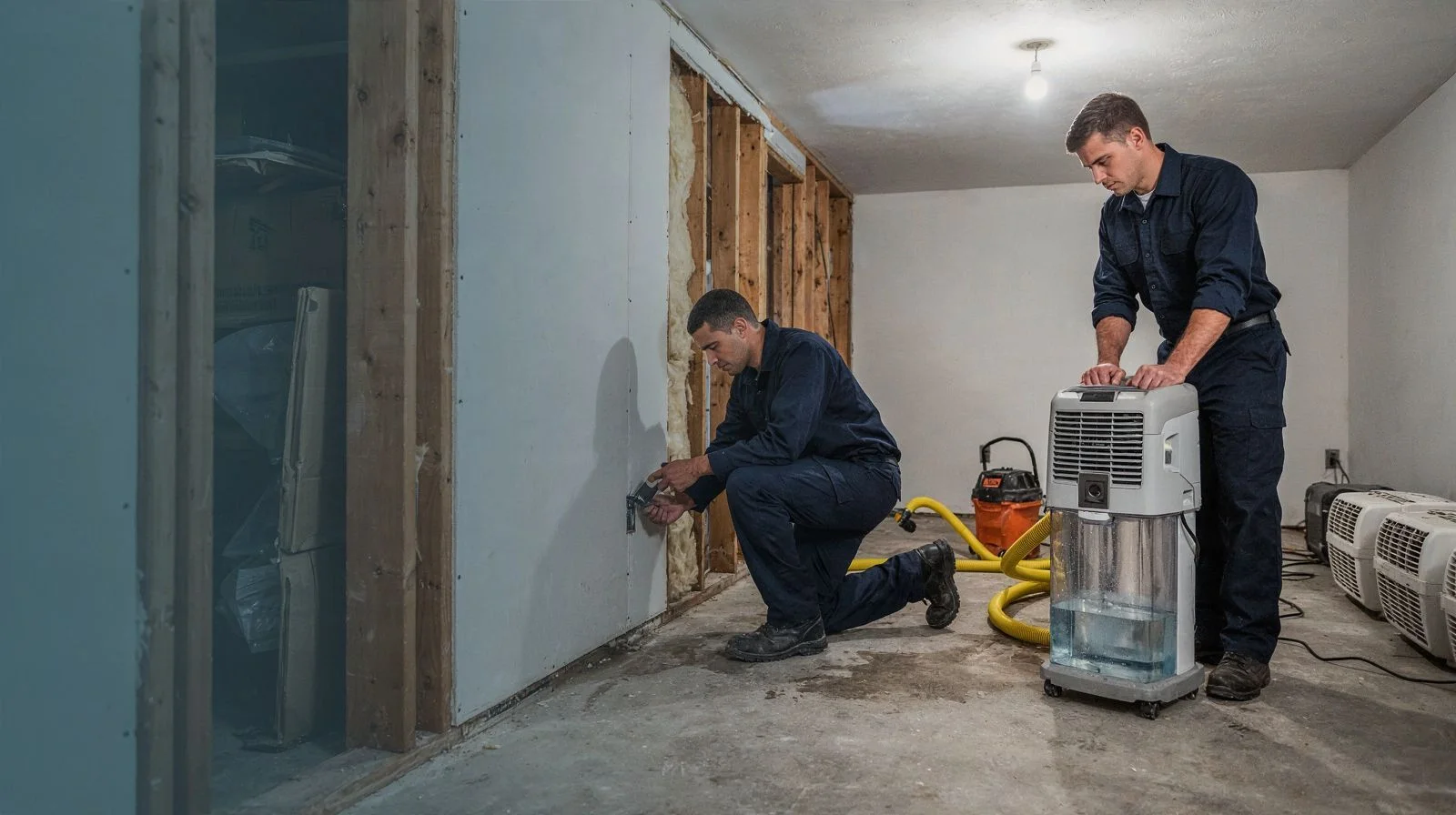
Every project starts with locating and stopping the source: anything from a pinhole in a copper line to wind‑driven rain that found a weak point around flashing. Once the source is addressed, the team maps moisture with meters and thermal cameras to find what you can’t see - wet sill plates behind baseboards, damp drywall cores, or saturated carpet pads. Quick water extraction removes bulk water from flooring, and then targeted drying begins.
- Floors and walls: On tile or luxury vinyl, pros manage airflow to avoid forcing humidity into wall cavities. For carpeted areas, weighted extraction and controlled dehumidification speed up the process without damaging subfloors. If drywall wicking is significant, flood cuts may be recommended to protect studs and allow thorough drying.
- Cabinetry and built‑ins: Kitchen and bath cabinets can hide moisture at toe‑kicks and backs. Technicians may remove toe‑kicks, create small access ports, and use low‑profile air movement and negative pressure to dry cavities while monitoring for delamination.
- Ceilings and attics: Roof seepage and AC air‑handler leaks leave tell‑tale stains. After safe electrical checks, crews open limited sections where needed, extract pooled water, and dry insulation or replace it when it has lost R‑value.
Mold remediation tuned to Florida humidity
If moisture has lingered, the matched pros set up containment to keep spores from traveling, create negative air with HEPA filtration, and remove or clean affected materials based on condition. They follow industry‑recognized practices for cleaning, apply antimicrobial solutions where appropriate, and dry the structure to target moisture levels before finishing work. This disciplined approach helps prevent musty odors from returning in Riverview’s humid seasons.
Condo and townhome water issues
Riverview includes many townhome and condo communities where water can move between units through party walls, chases, and under shared thresholds. In these settings, contractors coordinate with property managers and adhere to building guidelines for parking, access routes, and work hours. Quiet equipment placement, careful protection of elevators or shared corridors, and regular updates help projects move smoothly without disrupting neighbors. Condo water damage restoration often includes extra moisture mapping to check adjacent units and stack lines, with clear documentation for boards and insurers.
A process built for Riverview construction
- Inspection and moisture mapping: Identify affected rooms, materials, and the path of water; including along baseboards on slab‑on‑grade floors that are so common in Riverview, FL.
- Extraction and stabilization: Remove standing water, then stabilize humidity to keep swelling, rust, and microbial activity in check.
- Targeted structural drying: Use dehumidifiers, air movers, and, when needed, tenting or wall‑cavity systems to focus drying without over‑ventilating the home.
- Cleaning and sanitation: Clean residues, address staining, and remove unsalvageable materials with minimal disturbance to surrounding finishes.
- Monitoring and adjustments: Return to measure moisture content and adjust placement so materials hit dry goals efficiently.
- Repair coordination: When drying is complete, the team can coordinate with finish trades for repairs such as drywall, painting, and flooring replacement, per your insurer’s scope.
Local conditions we plan around
- Afternoon downpours: Fast storms can overwhelm surface drainage. Pros check sill plates, door thresholds, and window corners for hidden intrusion after heavy rain near the Alafia River and low‑lying streets.
- HVAC condensate issues: In tightly sealed newer homes, clogged AC drain lines or pan overflows can create slow leaks. Crews clear affected zones and dry nearby framing to help prevent microbial growth.
- High‑use kitchens and laundries: With busy households, supply lines to dishwashers, refrigerators, and upstairs laundries are frequent culprits. Teams carry the right fittings and caps to isolate fixtures safely while work proceeds.
Moisture control that protects finishes
Florida homes often feature tile over concrete with tall baseboards and painted drywall. Drying this assembly takes a light, even touch so finishes are protected while water is removed from the cold slab and baseboard backs. The technicians serving Riverview use controlled airflow and dehumidification to pull moisture out without over‑pressurizing walls. Where materials won’t recover to pre‑loss condition, they document findings with photos and readings so your adjuster can approve replacements.
Getting to your address efficiently
Reaching the north side of Riverview along US‑301 is typically quickest via the Selmon Expressway and then south on US‑301, avoiding downtown surface streets. For neighborhoods off Boyette Road and Balm Riverview Road, crews often exit I‑75 at Gibsonton Drive or Bloomingdale Avenue and cut east, depending on traffic and weather. When work is near schools such as Riverview High School, arrival windows are planned to steer clear of peak drop‑off and pickup times. This attention to timing keeps projects moving and reduces the time your home spends in a wet state.
Safety, cleanliness, and respect for your home
Water and electricity don’t mix, so the first minutes on site include safety checks and circuit assessment. Containment barriers and floor protection keep clean spaces clean while wet areas are treated. Equipment cords are routed safely, noise is managed thoughtfully, and daily tidy‑ups help you live more comfortably around the work when staying in place is practical.
Insurance and cost clarity
Most water losses in Riverview, FL involve an insurance claim. The crews document conditions from the start with photos, moisture logs, and itemized work notes your adjuster expects. Pricing depends on the scope, materials, and drying time; for general guidance, see typical water damage restoration costs in Riverview. If mold remediation is part of the job, scope and timelines are discussed upfront so you understand what’s required and why.
After the dry‑out
When materials reach target moisture levels and cleaning is complete, equipment is removed and the space is readied for any rebuild items in your insurer’s estimate. Final walkthroughs review what was dried, what was replaced or removed, and any preventive suggestions - like servicing an AC drain line or resealing a vulnerable window; to help reduce the chance of future moisture problems.
Our Services in Riverview, FL
Independent local contractors in Riverview, FL typically charge $1,200 - $7,500 for water damage restoration, the same as across the Tampa, FL area. See what water damage restoration costs in Riverview, FL.
Why Riverview, FL Chooses Tampa Water Damage Restoration
Riverview‑savvy routing
Crews use the Selmon Expressway, US‑301, and I‑75 to reach neighborhoods off Boyette Road and Balm Riverview Road efficiently, even during summer storms.
Methods for Florida homes
Drying plans account for slab‑on‑grade foundations, tile floors, and stucco exteriors common in Riverview so finishes are protected while structure dries.
Careful mold practices
Containment, HEPA filtration, and material‑appropriate cleaning help stop the spread of spores and address musty odors in Riverview’s humid climate.
Condo know‑how
Teams minimize disruption in shared spaces and communicate with property managers so townhome and condo projects stay organized and respectful.
Clear updates and documentation
You receive moisture readings, photos, and notes aligned with insurer expectations so decisions are transparent from first visit to final dry checks.
Water Damage Restoration FAQs in Riverview, FL
How do pros approach water damage restoration in Riverview, FL after heavy rain along the Alafia River?
They start by checking common entry points like sliding doors, window corners, and roof penetrations, then map moisture in walls and baseboards. Extraction and targeted dehumidification follow, with special attention to slab edges where water can linger after river‑adjacent streets drain slowly.
Which routes do technicians use to begin water damage restoration in Riverview, FL quickly?
From Tampa, crews usually take I‑275 to the Selmon Expressway, then transition to US‑301 or I‑75 depending on the address. For homes near Boyette Road and Balm Riverview Road, exits at Gibsonton Drive or Bloomingdale Avenue are common choices to shorten setup time.
Can water damage restoration in Riverview, FL handle moisture trapped under tile on slab?
Yes. Technicians use controlled airflow, dehumidification, and when necessary, tenting or limited tile removal to release moisture from the slab and baseboard backs. The goal is to dry the assembly to target levels without harming intact finishes.
What does mold remediation include during water damage restoration in Riverview, FL homes?
If mold is present, crews set up containment, create negative air with HEPA filtration, and remove or clean affected materials based on condition. They then dry the structure to target moisture levels and clean surrounding areas so spores and odors don’t return.
How do condo communities in Riverview, FL affect water damage restoration steps?
Condo and townhome projects add coordination with property managers for access, parking, and work hours. Pros also extend moisture checks to adjacent walls or units to be sure shared assemblies are dry before equipment is removed.
What helps reduce disruption during water damage restoration in Riverview, FL near schools and busy roads?
Scheduling avoids peak traffic and school drop‑off times around places like Riverview High School. On site, containment, cord management, and daily tidy‑ups keep lived‑in areas functional while drying completes.
Contact Us Today for a Free Estimate
Stop further damage and dry your space faster.
Schedule your water damage restoration service today.
Free — no obligations