Local help for healthier indoor air
Mold Remediation in Tampa, FL
Thorough containment, removal, and cleanup to stop mold at the source. Open 9 AM–9 PM daily.
When you need mold remediation
Mold remediation becomes urgent when you see spreading spots on drywall or trim, smell a musty odor, or notice allergy-like symptoms that improve when you leave the house. In Tampa, FL, high humidity and past water leaks can let mold take hold behind walls, under flooring, or around air handlers and bathrooms. The goal of mold remediation is to stop spores from spreading, remove contaminated materials safely, and clean and dry the structure so the problem doesn’t return.
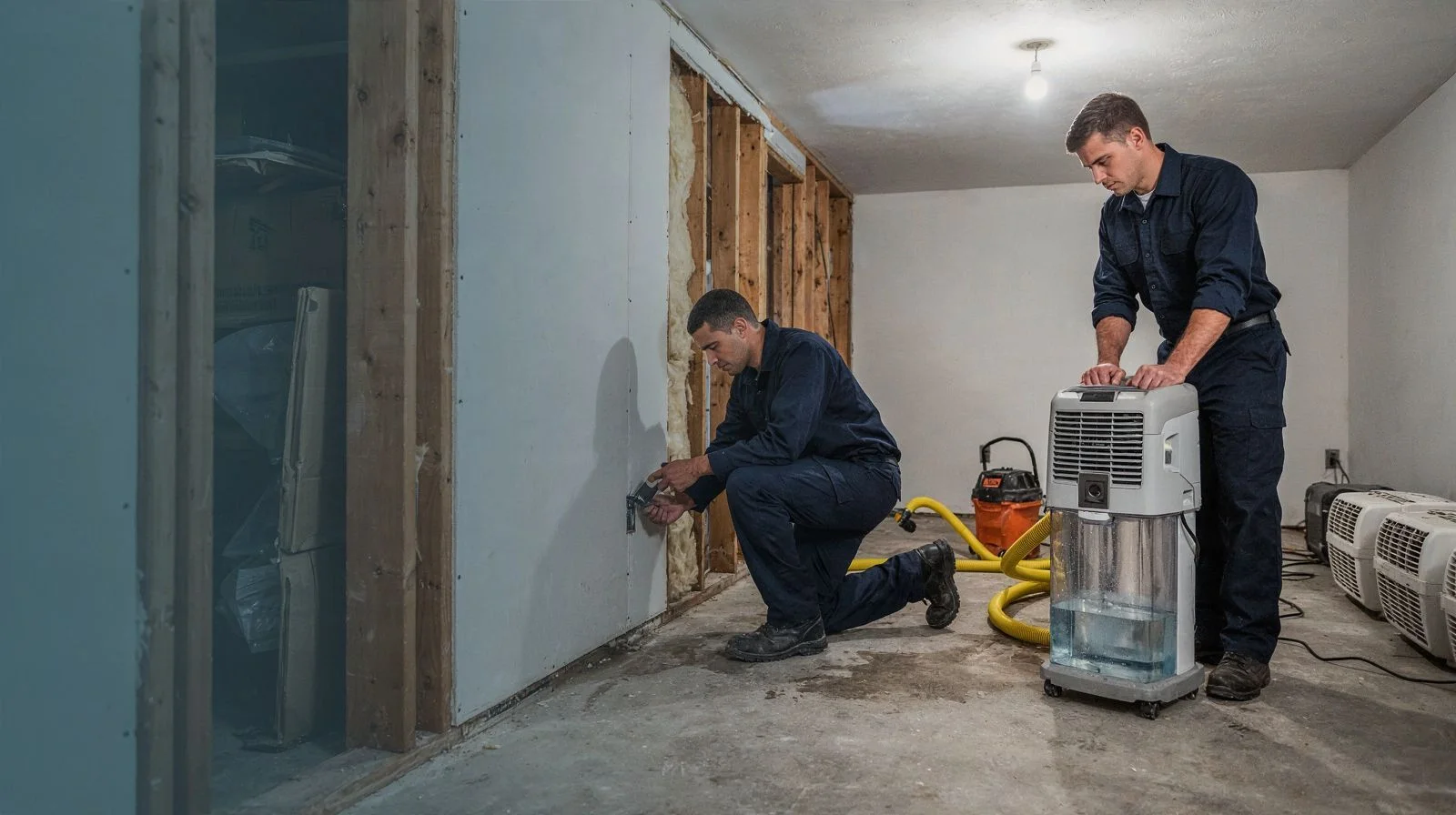
Homeowners matched through Tampa Water Damage Restoration typically want a clear plan: isolate the area, use HEPA filtration, remove what's too damaged to save, and clean the rest to a standard that feels safe for family and pets. Pros look for the moisture source first; roof seepage, plumbing drips, shower overspray, or elevated indoor humidity; because mold will return if the moisture remains. Projects can be straightforward in a small bathroom or more complex if growth is in an attic, closet, or affecting the HVAC return.
For scope, a common marker is size and location. Small, surface-only issues are sometimes manageable, but widespread or hidden growth, contamination in HVAC components, or areas larger than a few feet often call for trained help following recognized practices. The EPA advises different approaches based on size and materials; see EPA guidance on mold cleanup for general background EPA guidance on mold cleanup.
What mold remediation involves in Tampa, FL
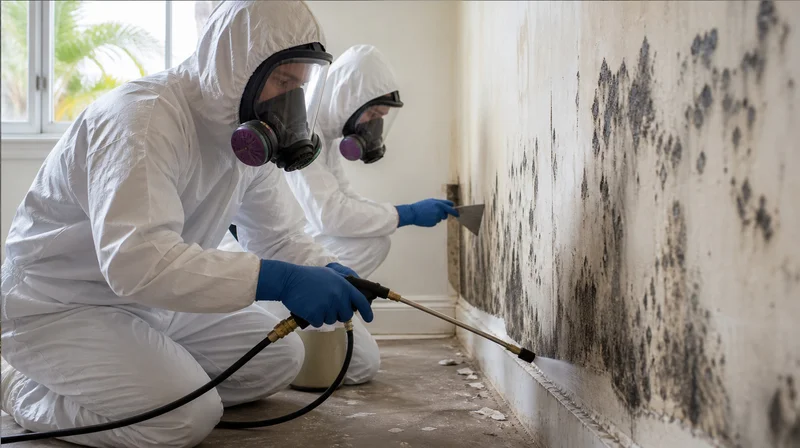
Matched local pros start mold remediation by finding and addressing moisture. They use moisture meters and thermal imaging to map damp materials and identify leak paths or trapped humidity. This assessment informs a written plan that outlines impacted rooms, the type of materials affected, safety measures for occupants, and how the team will prevent cross‑contamination during the work.
Containment is set up to keep spores from spreading. Technicians create a sealed work zone with plastic sheeting, zipper doors, and negative air pressure so air flows into the area and through HEPA filtration. Vents and returns are protected, and high‑touch travel paths are covered to safeguard clean parts of the home. This step is essential in Tampa, FL homes and condos where shared walls or compact layouts can make dust control more challenging.
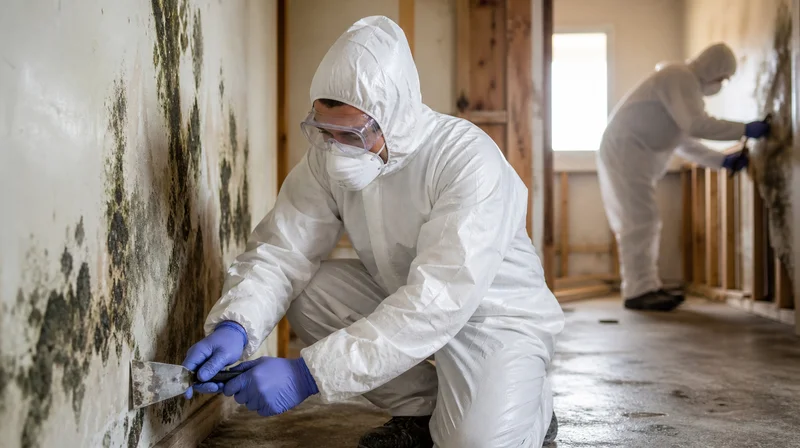
Once containment is in place, mold remediation focuses on removal of unsalvageable materials and detailed cleaning of what can be saved. Porous items like certain sections of drywall, insulation, and carpet are cut out and bagged for disposal. Solid surfaces; framing, subfloors, concrete, tile, and cabinetry; are HEPA vacuumed and damp‑wiped with appropriate cleaners. Where staining remains on structural wood, pros may use abrasion methods (like careful sanding) followed by HEPA cleanup to restore a clean surface.
Air quality is managed throughout the job. HEPA air scrubbers run continuously inside containment to capture airborne spores and particulates. After removal and cleaning, pros often apply an antimicrobial to cleaned surfaces as a finishing step. They then rebalance the indoor environment with targeted drying and dehumidification so remaining building materials return to normal moisture levels that discourage new growth.
Source correction is part of successful mold remediation. Local technicians trace and address what caused the issue; leaky P‑traps, failed caulk lines, minor roof penetrations, or consistently high relative humidity. They may handle light fixes directly or coordinate with licensed trades for plumbing, roofing, or HVAC service. Recommendations usually include ventilation improvements and humidity control to keep indoor RH in a healthy range.
Before demobilizing, pros complete a final quality check: visual inspection, surface cleanliness verification, and moisture readings to confirm materials are dry. For added assurance, some homeowners choose third‑party clearance testing after mold remediation. Crews document the work with photos and notes so you have a record for property files or future remodel plans.
Mold Inspection And Moisture Mapping
Identify wet materials, leak paths, and the full extent of contamination before work starts.
Containment And Negative Air
Isolate the work zone and exhaust air through HEPA filtration to limit cross‑contamination.
Hepa Air Filtration
Capture airborne spores and fine dust during mold remediation and cleanup.
Selective Demolition And Removal
Cut and remove unsalvageable drywall, insulation, carpet, and trim with proper bagging and disposal.
Cleaning And Antimicrobial Application
HEPA vacuum and damp‑wipe cleanable surfaces; apply antimicrobial where appropriate.
Drying And Dehumidification
Return structures to normal moisture with dehumidifiers and airflow to discourage regrowth.
Hvac Protection And Coordination
Protect returns and supply registers; coordinate specialized HVAC cleaning if needed.
Post‑Remediation Verification
Document conditions and, if requested, arrange independent clearance testing.
What affects mold remediation cost
Pricing for mold remediation depends on the scope found during inspection. Key drivers include the size of the affected area, how deeply mold has penetrated materials, and whether growth is confined to a single room or spread across multiple spaces. Material types matter too; cutting and replacing drywall and insulation differs from cleaning structural framing or concrete. Access affects labor: tight bathrooms, high ceilings, attic work, or limited elevator time in a condo can change setup and production rates.
Additional factors include contents handling, disposal needs, HVAC involvement, and whether source repairs require other licensed trades. If third‑party testing is requested before or after mold remediation, that is a separate line item. For planning purposes, see typical mold remediation costs in Tampa; final pricing is confirmed after on‑site evaluation and moisture diagnostics for your specific conditions.
Independent local contractors typically charge $800 - $6,000 for mold remediation. See typical mold remediation costs.
Why Choose Us for Mold Remediation?
Local pros who know Florida humidity
Specialists familiar with Tampa, FL conditions design mold remediation plans that address moisture and prevent regrowth.
Vetted and insured network
Tampa Water Damage Restoration connects you with properly insured contractors who follow recognized mold remediation practices.
Clear scopes and photos
You get a straightforward plan and visual documentation before, during, and after the work.
Health‑first equipment and methods
Containment, HEPA filtration, and careful cleaning focus on cleaner air and safer surfaces.
Respect for homes and condos
Crews protect flooring and furnishings, manage dust, and coordinate logistics suited to Tampa houses and multi‑unit buildings.
Convenient hours
Scheduling is available during the 9 AM–9 PM window seven days a week across Tampa, FL.
How the mold remediation process works
Initial Conversation And Scheduling
A coordinator asks a few questions about what you’re seeing, when it started, and any sensitivities in the household, then sets a convenient visit window.
On‑Site Evaluation
Technicians assess visible growth, map moisture, and check adjacent areas to define the true scope and source.
Plan And Containment Setup
You receive a clear work plan. The crew protects clean areas, builds containment, and installs HEPA filtration and negative air.
Removal And Cleaning
Unsalvageable materials are carefully removed and bagged. Cleanable surfaces are HEPA vacuumed, wiped, and treated as appropriate.
Drying And Source Correction
Dehumidifiers and air movers return materials to target moisture. Minor fixes are addressed or coordinated with licensed trades.
Final Checks And Documentation
Pros verify cleanliness and dryness, then provide photos and notes of the completed mold remediation.
Optional Clearance And Rebuild
If desired, third‑party testing can confirm results, and referrals can be provided for any rebuild work.
Tampa Water Damage Restoration Is Proud to Serve the Tampa, FL Area
Mold Remediation FAQs
What does mold remediation include beyond basic cleaning?
Mold remediation includes isolating the work area, removing unsalvageable materials, and thoroughly cleaning and drying the remaining structure. Pros use HEPA filtration to control dust and spores and verify that surfaces are clean and materials are dry before demobilizing.
How long does mold remediation usually take?
Timeline depends on the size of the area, how wet the structure is, and access to the work zone. Small, contained areas can be completed quickly, while larger or multi‑room projects and those requiring extended drying take longer.
Is it safe to stay in my home during mold remediation?
For small, well‑contained projects, many homeowners can remain in the home with access routes protected. For larger scopes, extensive demolition, or if anyone is sensitive to dust or allergens, temporary relocation from nearby rooms may be recommended until cleanup is complete.
Will mold remediation remove the musty odor and keep it from coming back?
Musty smells typically fade once contaminated materials are removed, surfaces are cleaned, and the structure is dried. Long‑term results depend on fixing the moisture source and keeping indoor humidity in a healthy range.
Do I need testing before or after mold remediation?
Testing is optional in many homes and is often chosen for added assurance, real‑estate transactions, or sensitive occupants. When used, third‑party testing provides independent verification that cleanup met the agreed standard.
How are HVAC systems handled during mold remediation?
Pros protect returns and supplies near the work zone and may clean accessible components if they are impacted. If deeper cleaning is needed, a licensed HVAC specialist can be coordinated to service ducts, coils, or air handlers as part of the overall plan.
Contact Us Today for a Free Estimate
Stop further damage and dry your space faster.
Schedule your water damage restoration service today.
Free — no obligations