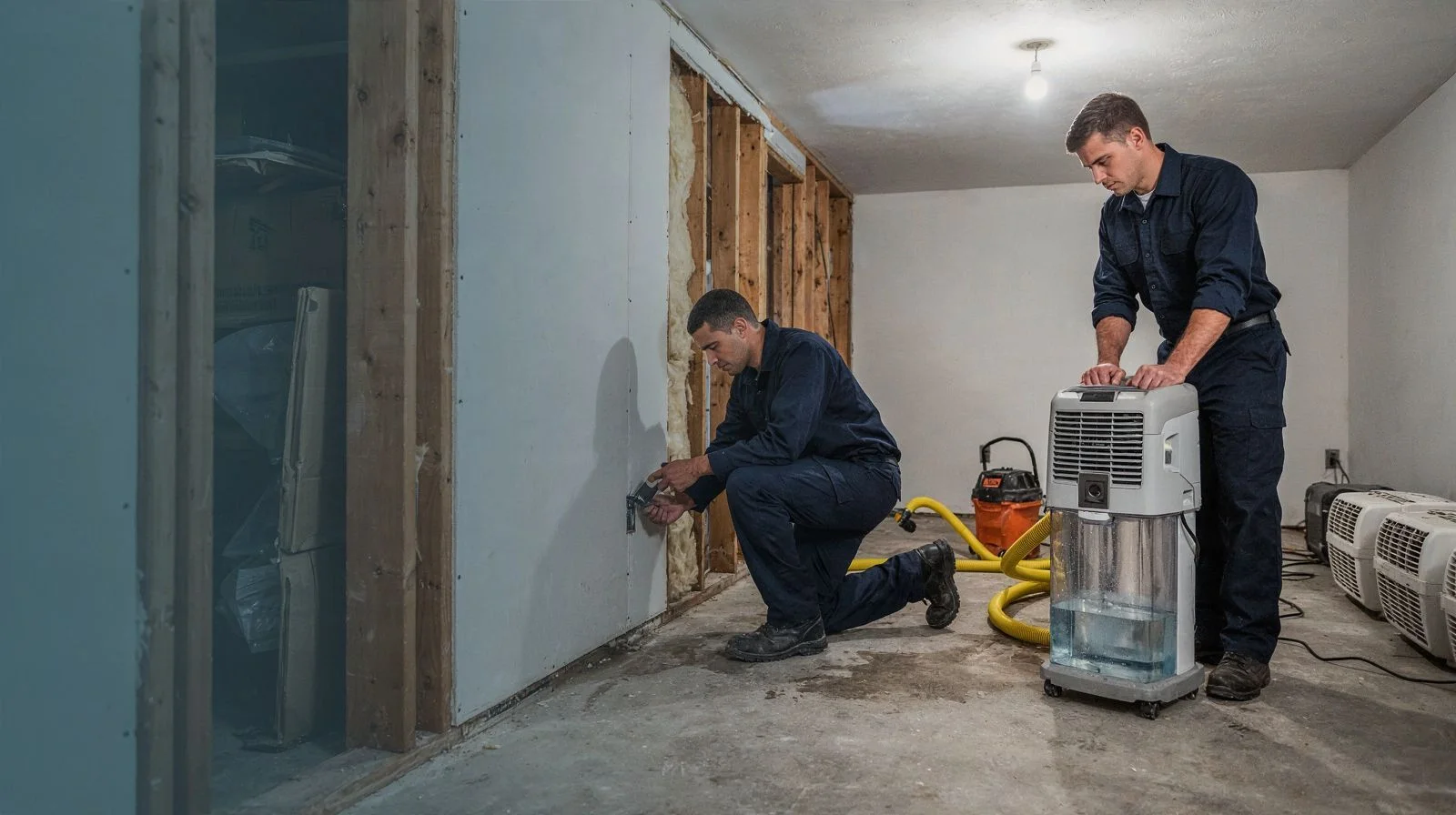
Trusted help for coastal homes
Water Damage Restoration in Tarpon Springs, FL
Local crews serve Tarpon Springs homes and condos with careful cleanup, thorough drying, and mold remediation.
Water damage help for Tarpon Springs homes
Water damage restoration in Tarpon Springs, FL requires fast, careful work that fits local homes and waterfront living. Tampa Water Damage Restoration connects homeowners in Tarpon Springs, FL with local water damage restoration pros who know the area and the materials used in Pinellas County houses and condos.
Pros handle clean water leaks, appliance breaks, roof and window intrusions, and storm-related moisture. Services include water removal, structural drying, mold remediation, and repairs scaled to your loss. Our Tampa, FL office line at (656) 248-4007 is available 9 AM–9 PM daily for scheduling and service coverage questions.
Tarpon Springs, FL conditions
Tarpon Springs sits on the Anclote River and along the Gulf, so summer thunderstorms, tropical systems, and salt‑laden breezes push moisture into homes. Many houses are concrete block on slab, while older cottages near Spring Bayou mix wood framing, plaster, and hardwoods - materials that wick water and can trap moisture behind stucco or tile. High humidity and a shallow water table slow evaporation, and tidal flooding near the Sponge Docks adds brackish water risks that call for careful cleaning and selective material removal. Pinellas County also flags localized flooding concerns for coastal neighborhoods, which makes fast drying and dehumidification essential to prevent mold growth Pinellas County flooding.
Service coverage across Tarpon Springs
From the Sponge Docks to neighborhoods around Spring Bayou, Tarpon Springs homes face frequent rain, high humidity, and occasional tidal flooding. Tampa Water Damage Restoration connects you with local pros who know how coastal air and older finishes change the plan for water damage restoration, mold remediation, and condo water damage restoration. Crews plan setups that protect finishes, reduce noise, and keep shared areas tidy while drying moves forward.
How we get to you
Teams typically depart from 6203 Johns Rd, #7, Tampa, FL 33634 in Tampa, FL and head north on the Veterans Expressway (FL‑589). From there, they join US‑19 N into Tarpon Springs and reach homes off Pinellas Avenue (Alt US‑19) or continue to Tarpon Avenue. When traffic builds on US‑19, another common route is west via Hillsborough Avenue and Tampa Road (FL‑580) before turning north to Tarpon Springs. These routes help crews arrive with the right equipment staged for your property’s layout and parking.
What happens first
A licensed technician assesses the source, the path of water, and which materials are affected. Moisture mapping... using meters and thermal imaging; shows what can be dried in place and what needs removal. Standing water is extracted, wet surfaces are cleaned, and dehumidifiers and air movers are set to a plan that fits Tarpon Springs’ coastal humidity. Clear notes and photos document the work for insurance and HOA needs in condos and townhomes.
Protecting finishes and contents
Pros set walk‑off protection at entries and cover nearby furniture and built‑ins. Cabinet bases and toe‑kicks are checked for trapped water. For wood floors, gentle drying with controlled airflow helps limit cupping; for tile or terrazzo, technicians monitor moisture under the surface and along baseboards to make sure adhesives and subfloors return to target levels before reinstalling trim.
Water damage restoration for common Tarpon Springs builds
Tarpon Springs has many concrete block‑on‑slab homes along and west of US‑19, plus older wood‑frame cottages and bungalows around Spring Bayou and Craig Park. Each build type needs a different drying approach:
- Block on slab: Masonry walls and stucco can hide moisture at the base. Pros often remove baseboards and open small sections to relieve pressure and speed drying at the sill line. Slab moisture is tracked closely to avoid re‑wetting during humid afternoons.
- Wood‑frame cottages: Original plaster, lath, and hardwoods are assessed for swelling and delamination. Targeted dehumidification and low‑airflow drying reduce the risk of cracking or secondary damage to trim and windows.
- Mixed additions: Many homes have additions with varied materials. Crews balance drying so one room doesn’t pull humid air through another, and they verify HVAC operation and filtration so the system doesn’t spread moisture or dust.
Mold remediation tuned to Gulf humidity
When moisture sits, surface growth can begin quickly in our climate. Mold remediation includes source control, safe containment, air filtration, and careful removal of affected porous materials. After cleaning, pros apply industry‑standard antimicrobial techniques and set post‑drying targets that reflect Tarpon Springs’ typical indoor humidity so the space is ready for repairs and finishes.
Condo water damage restoration
Water losses in condos near the Sponge Docks, along Pinellas Avenue, and by the riverfront demand extra planning. Contractors coordinate access, elevator pads, and quiet hours with building management. Shared corridors, lobbies, and stairs are protected with floor runners and corner guards. Negative‑pressure setups and HEPA filtration help keep common areas clean while units dry. Documentation is organized so insurance adjusters and HOAs have what they need to approve repairs.
Special situations near water
Homes near the Anclote River, Spring Bayou, and low‑lying streets can experience intrusions from wind‑driven rain or brackish water. Category 2 or 3 water calls for different cleaning standards and more selective material removal, especially for carpet pad, certain insulations, and swollen composite trims. Pros also monitor for corrosion at fasteners and appliance connections because salt can speed up metal deterioration in waterfront areas.
Roof, window, and exterior leaks
Stucco cracks, window seals, and roof penetrations let water track behind finishes. Technicians trace the moisture path, dry the cavity, and advise on follow‑up repairs so leaks don’t return. In block walls, they may use small, low‑profile vents at base trim to move air through the cavity without opening large sections that would add time and expense.
Equipment strategies that fit coastal weather
Coastal afternoons can push indoor humidity up even with AC running. Crews size dehumidifiers to your square footage, materials, and wet‑surface readings, and adjust airflow to keep evaporation steady without spreading moisture. Refrigerant units are common for occupied homes, while desiccants may be used when conditions require low‑grain drying or when cool indoor temperatures would slow the process. Noise‑sensitive setups are available for condos and tight lots.
Working near parks, marinas, and busy streets
In areas close to Fred Howard Park, along Pinellas Avenue, or by the marinas near the Sponge Docks, parking can be limited. Teams plan compact equipment staging and route cords and hoses cleanly so sidewalks and entries stay open. For homes off busier corridors like US‑19, crews often stage inside garages to keep equipment secure and reduce street clutter.
Repairs and finishing
Once dry, contractors replace removed drywall sections, baseboards, and select flooring as needed. They blend textures and paint to match nearby rooms and verify that moisture returns to pre‑loss targets before closing walls. For condos, pros coordinate with the association on approved materials, colors, and work hours to keep the project moving smoothly.
Insurance coordination and records
Loss notes, daily readings, and photos support your claim. If the source involves a neighbor’s unit or a building line, condo documentation includes who was notified and when, plus a clear timeline of mitigation steps. This transparency helps speed approvals from adjusters and HOAs.
Planning and expectations
Each project is different; scope depends on the source, how long water was present, and the materials involved. For a general sense of pricing and what can affect it in this market, see typical water damage restoration costs in Tarpon Springs. Crews aim to keep life as normal as possible while drying proceeds, with walkable paths through rooms and nightly noise checks so you can rest.
When we serve Tarpon Springs
Regular service hours are 9 AM–9 PM, seven days a week. Arrival windows are scheduled to avoid peak traffic on US‑19 and around school start and release times. If afternoon storms are expected, teams often begin earlier so critical drying steps are in place before humidity rises. Our office at 6203 Johns Rd, #7, Tampa, FL 33634 coordinates routes and equipment so the right setup reaches your address without delay.
Our Services in Tarpon Springs, FL
Tarpon Springs, FL water damage restoration pricing from independent local contractors matches the rest of the Tampa, FL area: $1,200 - $7,500. See Tarpon Springs, FL water damage restoration pricing.
Why Tarpon Springs, FL Chooses Tampa Water Damage Restoration
Local coastal know‑how
Pros understand Tarpon Springs’ humidity, tidal influences, and older finishes, so drying plans fit real conditions; not generic checklists.
Efficient routes from Tampa
Crews travel the Veterans Expressway and US‑19 N to reach Tarpon Springs quickly, with alternate options when traffic builds.
Condo and HOA experience
Teams protect shared areas, handle elevator and parking logistics, and provide documentation that associations and adjusters expect.
Thorough moisture testing
Meters, thermal imaging, and daily readings guide decisions so materials are dried properly before repairs begin.
Care for finishes and contents
Walk‑off protection, clean cord routing, and quiet setups help safeguard floors, furniture, and daily routines.
Clear updates throughout
You get plain‑language progress updates and photos so you always know what’s done and what comes next.
Water Damage Restoration FAQs in Tarpon Springs, FL
From in Tampa, FL, which route do pros usually take to reach Tarpon Springs, FL during weekday traffic?
Crews often head north on the Veterans Expressway (FL‑589), then merge onto US‑19 N into Tarpon Springs. When US‑19 is slow, an alternate is west via Hillsborough Avenue and Tampa Road (FL‑580) before turning north toward neighborhoods near Pinellas Avenue and Tarpon Avenue.
How do pros approach water damage restoration in Tarpon Springs, FL homes near the Sponge Docks and the Anclote River?
Water near the river can be brackish, so contractors assess contamination category before choosing cleaning methods. They also plan for limited parking and foot traffic, using compact equipment and protective runners to keep entries and sidewalks open.
What’s different about water damage restoration for Tarpon Springs, FL block‑on‑slab homes along US‑19?
Concrete block walls and stucco can hide moisture at the base, so technicians remove baseboards and dry wall cavities at the sill line. Tile and terrazzo floors are monitored for moisture under the surface to protect adhesives and nearby trim from swelling.
For condo water damage restoration in Tarpon Springs, FL near Fred Howard Park, how are access and shared spaces handled?
Contractors coordinate elevator pads, parking, and quiet hours with building management before equipment arrives. Shared corridors and lobbies are protected with floor runners and corner guards, and air filtration helps keep dust and odors down while units dry.
During peak summer humidity, how do crews set drying targets for water damage restoration in Tarpon Springs, FL?
Targets are based on initial readings, material types, and realistic indoor humidity for this coastal climate. Dehumidifiers are sized to the space, and airflow is adjusted through the day as outdoor humidity and indoor temperatures change.
After heavy rain around Spring Bayou and Craig Park, what first steps do water damage restoration crews take in Tarpon Springs, FL?
They locate and stop the source, extract standing water, and map moisture to see how far it spread under floors and behind trim. Equipment is set to stabilize the space quickly, and any contaminated materials are removed before detailed drying continues.
Contact Us Today for a Free Estimate
Stop further damage and dry your space faster.
Schedule your water damage restoration service today.
Free — no obligations