Tampa-area water & mold pros
Water Damage Restoration in Seminole, FL
Help for leaks, storms, and condo issues. Scheduling that fits your day.
Local help for Seminole leaks and mold
For water damage restoration in Seminole, FL, Tampa Water Damage Restoration connects homeowners in Seminole, FL with local water damage restoration pros. From supply-line breaks to wind-driven rain, you’ll be matched with teams who understand Pinellas County homes and condos.
We serve the greater Tampa, FL region and nearby beach communities with straightforward scheduling and clear updates. Service hours are 9 AM–9 PM daily; (656) 248-4007 is available during those hours for scheduling and updates.
Pros in our network handle water extraction, structural drying, mold remediation, and condo water damage restoration. They protect finishes, document moisture readings, and coordinate with insurance when needed.
Seminole, FL conditions
Seminole’s mix of mid‑century concrete block homes and newer condo buildings sits in a humid, storm‑prone part of Pinellas County. Afternoon thunderstorms, tropical systems, and wind‑driven rain raise the risk of leaks and roof or window intrusions, while flat, slab‑on‑grade construction can trap moisture at baseboards and under flooring. Near Lake Seminole, low spots and a high water table slow drying, and tile or terrazzo surfaces often need focused dehumidification rather than aggressive demolition. Florida’s rainy season brings frequent, heavy downpours that make rapid moisture control essential NWS rainy season.
Serving Seminole homes and condos
Seminole, FL has a coastal‑influenced climate and a housing mix that calls for careful, measured water cleanup. Whether you live by Lake Seminole Park, just off Park Boulevard, or near Seminole City Park, local crews focus on fast water removal, precise drying, and repairs that fit the way Pinellas homes are built. The goal is a clean, dry structure with minimal disruption to daily life and neighbors.
Reaching you from our Tampa office
Teams stage from 6203 Johns Rd, #7, Tampa, FL 33634 in Tampa, FL, then typically cross the Howard Frankland Bridge on I‑275 and head west to Park Boulevard (SR‑694) into Seminole. When traffic patterns or incidents slow I‑275, crews may route via Gandy Boulevard (US‑92) and then north to Seminole Boulevard or 113th Street. Arrival windows are planned around bridge traffic and school release times on Park Boulevard to help keep visits predictable and parking manageable.
What happens first
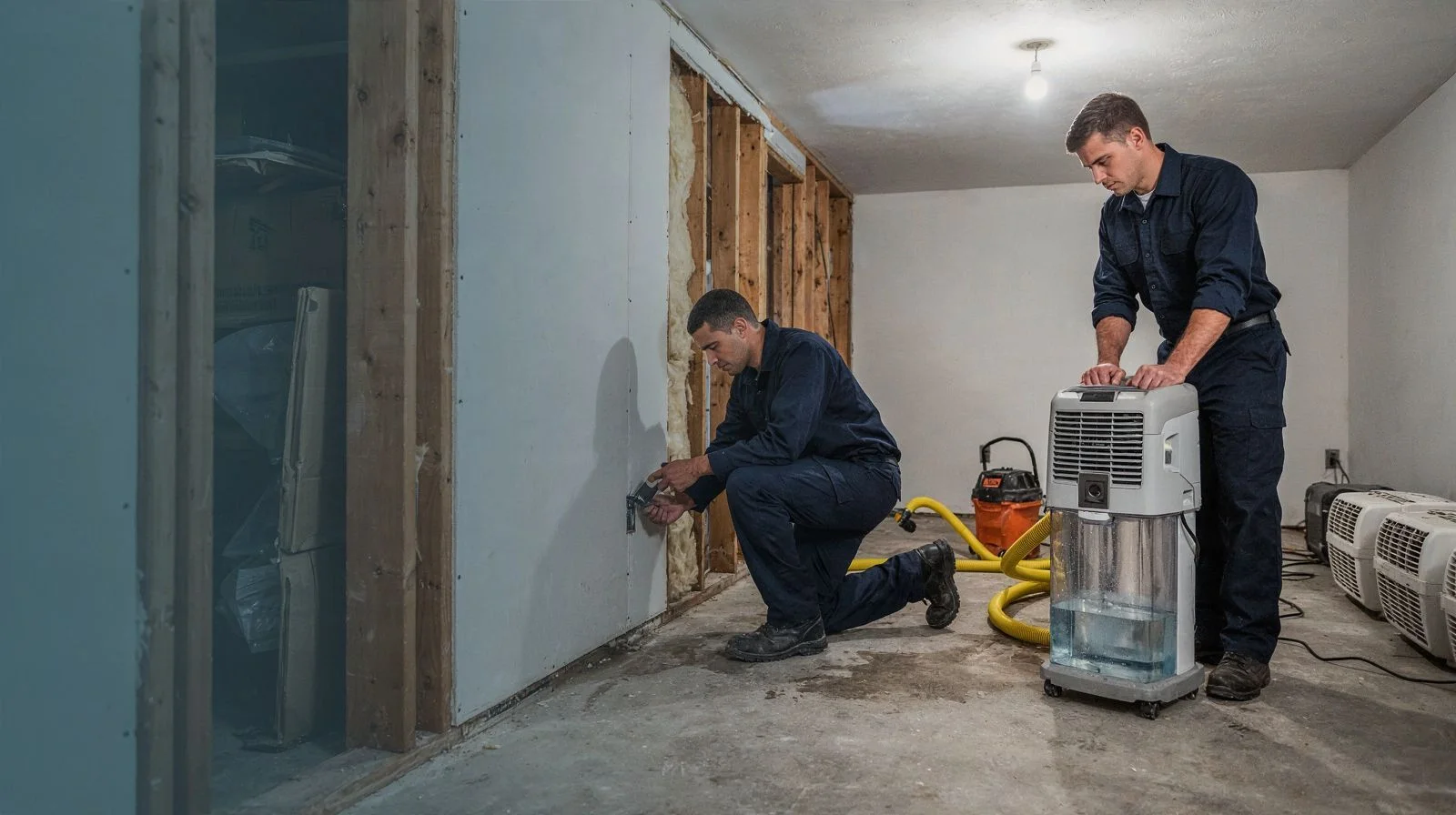
Pros begin with a safety check, source control, and moisture mapping. Standing water is removed with pumps or weighted extraction, then technicians set targeted airflow and dehumidification based on readings from walls, flooring, and the slab. Contents are stabilized, furniture is blocked or floated, and protective floor coverings are placed in high‑traffic paths to keep clean areas clean. Clear notes and photos document conditions from the start, which supports both a smooth workflow and any insurance needs.
Drying strategies that fit Seminole construction
Many Seminole homes are concrete block on slab with tile, terrazzo, or vinyl plank. That combination calls for specific tactics:
- Baseboards and the lowest course of drywall are often removed to relieve trapped moisture at the wall‑to‑slab joint.
- For tile or terrazzo, crews monitor grout lines and wall bottoms closely; airflow is directed to wall cavities while dehumidifiers manage overall humidity.
- For cabinets, toe‑kicks may be vented to move air under sinks without pulling entire boxes when materials and readings allow.
- If carpet is present in bedrooms, it is typically disengaged at edges for pad removal and subfloor drying, then re‑stretched if salvageable.
Mold remediation when needed
If inspections indicate mold growth, pros isolate the workspace with containment, run HEPA air filtration, and remove affected materials following industry guidelines. Cleaning targets both visible growth and settled spores on nearby surfaces, and drying returns the structure to normal moisture levels before reconstruction. For general health guidance on indoor mold, see the EPA’s overview on mold and moisture EPA mold.
Condo water damage in Seminole
Garden‑style and mid‑rise condos around Park Boulevard and near Lake Seminole often require extra planning. Crews coordinate parking, elevator pads, and hallway protection, and they schedule noisier steps - like controlled demolition or carpet removal... during allowable building hours. Moisture can migrate between units via shared walls or chases; technicians trace that movement with meters so adjacent spaces aren’t overlooked. Communication with property managers and HOAs helps keep neighbors informed and common areas orderly.
Rain and wind‑driven leaks
Storm lines can push hard rain against south‑ and west‑facing walls, and older window assemblies are common entry points. Roofing transitions, stucco cracks, and door thresholds may also allow wind‑driven water to bypass exterior surfaces. Pros dry the interior, track moisture to its limits, and recommend exterior follow‑up; such as sealants or flashing repairs - through licensed trades as appropriate. Interior materials are only removed where readings show saturation beyond salvageable levels.
Materials, tools, and noise
Low‑grain dehumidifiers, directed air movers, and wall‑cavity drying tools are selected to fit room size, surface type, and noise preferences. In condos or homes with sensitive schedules, technicians can stage equipment away from bedrooms and set cord runs to keep hallways clear. Daily meter readings confirm progress, and adjustments are made if outdoor humidity spikes or a storm changes interior conditions.
Documentation that stands up to review
Crews keep moisture logs, floor plans, and photo sets from first visit through final dry readings. These records support insurance claims and make reconstruction smoother by showing exactly where materials were removed. Homeowners receive clear summaries so everyone understands what was wet, what was dried, and what will be rebuilt.
Costs and timing
Pricing depends on the size of the affected area, the materials involved, access in the home or building, and how long water was present. For general guidance, see water damage restoration costs in Seminole. Timelines follow a similar pattern: smaller, clean‑water leaks in tile‑on‑slab rooms often dry faster than multi‑room impacts in carpeted spaces, and humidity swings can add a day or two. Your assigned crew will explain the plan and update it as readings change.
Putting rooms back together
After dry‑out, contractors replace removed drywall strips, baseboards, and select flooring as needed. Texture and paint are matched to surrounding areas, and transitions are blended where materials meet at doorways. Final cleaning includes HEPA vacuuming and wipe‑downs of work paths so your home feels settled, not just dried.
Where we work in Seminole
Regular stops include neighborhoods along Park Boulevard, streets bordering Lake Seminole Park, and residential blocks near Seminole City Park. Whether you’re in a single‑family block home or a condo community, crews plan access and parking to respect neighbors, school traffic, and city events while keeping the project moving.
Our Services in Seminole, FL
Typical water damage restoration cost in Seminole, FL from independent local contractors (same as elsewhere in the Tampa, FL area): $1,200 - $7,500. See typical water damage restoration costs near Seminole, FL.
Why Seminole, FL Chooses Tampa Water Damage Restoration
Local routes, fewer delays
Crews know the I‑275 bridges, Gandy, and Park Boulevard traffic patterns, so appointments are planned around peak flow to keep projects on schedule.
Condo‑savvy practices
Hallway protection, elevator pads, quiet‑hour planning, and clear notices help projects move smoothly in multi‑unit buildings.
Moisture‑first decisions
Meters and daily readings guide what to dry versus what to remove, helping preserve finishes and control rebuild time.
Clean, orderly work sites
Dust control, containment, and tidy cord management keep living areas usable and reduce disruption for families and neighbors.
Straightforward communication
You get plain‑English updates, documented readings, and photos so you always know what’s done and what’s next.
Water Damage Restoration FAQs in Seminole, FL
When traveling for water damage restoration in Seminole, FL, how do crews reach homes without getting stuck in beach traffic?
Teams usually leave 6203 Johns Rd, #7, Tampa, FL 33634 in Tampa, FL, take I‑275 across the Howard Frankland Bridge, then head west to Park Boulevard for north–south access via Seminole Boulevard or 113th Street. If congestion builds on I‑275, Gandy Boulevard is a common alternate before turning north toward residential streets.
How do pros handle water damage restoration in Seminole, FL homes near Lake Seminole Park where yards can stay damp?
Techs check for moisture wicking at the wall‑to‑slab joint and monitor humidity carefully because the nearby lake and low elevations slow evaporation. Drying plans add dehumidification capacity and targeted wall‑cavity airflow so the structure returns to normal even if outdoor conditions stay muggy.
What’s different about water damage restoration in Seminole, FL block‑on‑slab homes with terrazzo floors?
Terrazzo often survives clean‑water leaks, but moisture can linger at baseboards and under interior walls. Crews focus on wall bottoms and grout lines, remove baseboards when needed, and use directed airflow with dehumidification to dry the structure without unnecessary floor removal.
For condo water damage restoration in Seminole, FL along Park Boulevard, how are shared spaces protected?
Pros coordinate with building management, pad elevators, and cover hallways to prevent scuffs. Equipment is staged to reduce noise in adjacent units, and containment keeps dust from spreading while crews dry affected rooms and document readings for both the unit owner and the HOA.
During summer storms in Seminole, FL, how do crews set drying goals for water damage restoration when outdoor humidity is high?
Technicians establish targets based on unaffected indoor materials and adjust equipment to maintain a humidity difference that supports evaporation. They may increase dehumidifier capacity and reposition airflow if afternoon storms push moisture back up, keeping the project on track despite weather shifts.
After a fast roof or window leak near Seminole City Park, what are the first steps in water damage restoration for Seminole, FL homes?
The source is stabilized, then standing water is removed and moisture is mapped to find limits of the intrusion. Crews focus on drying wall cavities and trim early, since those areas trap water on slab‑on‑grade homes, and they protect nearby rooms so clean spaces don’t get cross‑contaminated.
Contact Us Today for a Free Estimate
Stop further damage and dry your space faster.
Schedule your water damage restoration service today.
Free — no obligations