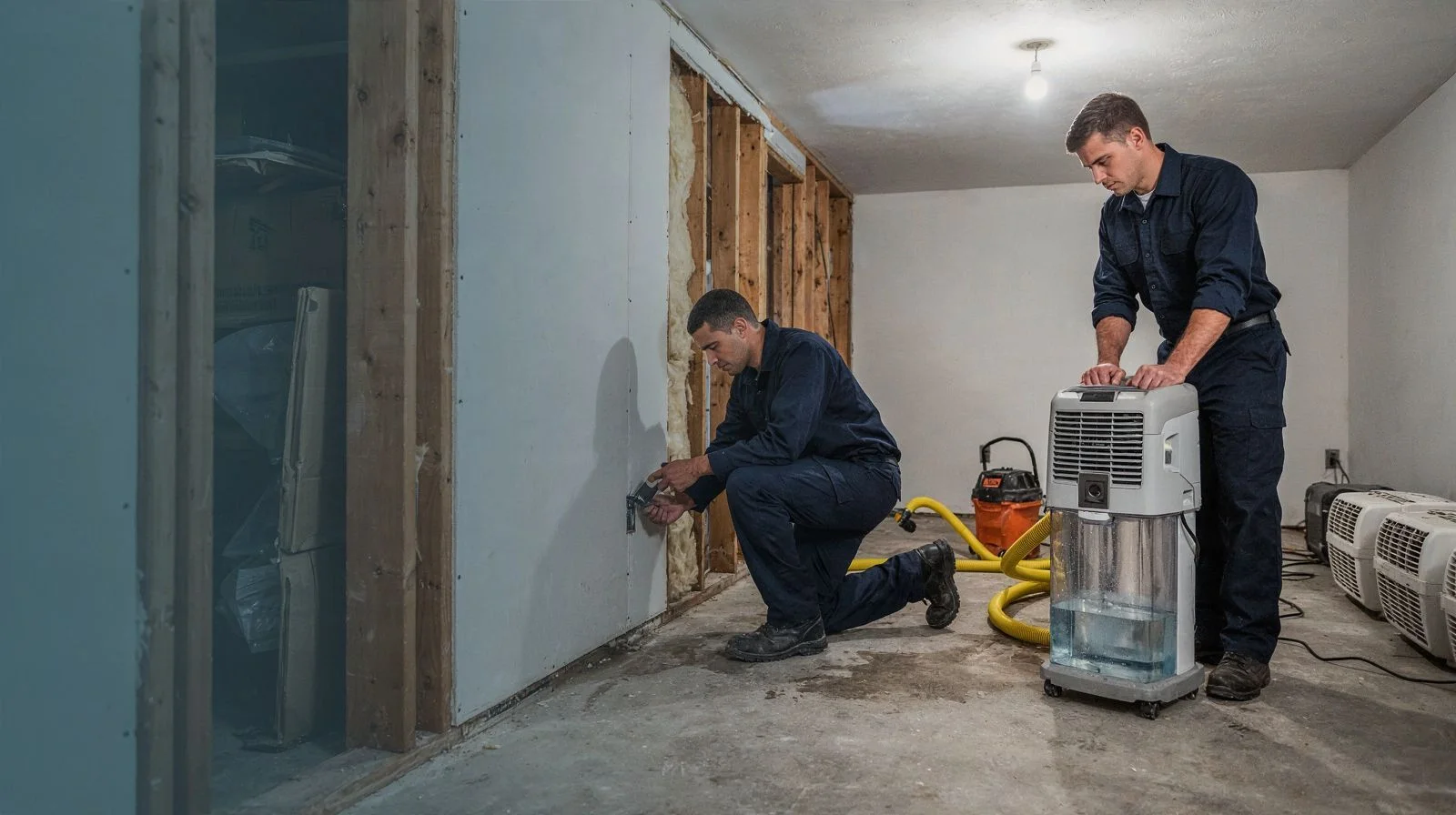
Condo cleanup done right in Tampa, FL
Condo Water Damage Restoration in Tampa, FL
Water can move quickly through stacked units. Tampa Water Damage Restoration connects you with condo‑savvy pros who stop the spread, dry the structure, and protect common areas.
Why condo water damage restoration matters in Tampa, FL
In a condo, a small leak can become a big problem fast. Water can travel through shared walls, ceilings, and mechanical chases, affecting your unit and your neighbors below. Burst supply lines, AC condensate backups, roof or balcony intrusion, and sprinkler discharges are common sources. The sooner water is contained and removed, the less likely you’ll face swelling floors, staining, electrical risks, or secondary issues like odors and microbial growth.
Condo water damage restoration focuses on stopping the source, mapping where moisture traveled, protecting common areas, and drying materials to targeted moisture levels. Coordinating with building management is part of the job: elevators, hallways, and loading zones need protection; quiet hours and access rules must be respected. Quick action helps reduce the chance of mold, which can begin to grow on wet surfaces within 24–48 hours, according to EPA guidance on drying and mold.
If you’re in a high-rise or mid-rise in Tampa, FL, matched local pros are familiar with condo layouts and building rules. They use portable extraction and low-profile drying equipment suited for upper floors and tight spaces. Office hours are 9 AM – 9 PM daily at (656) 248-4007 for scheduling and service coverage details.
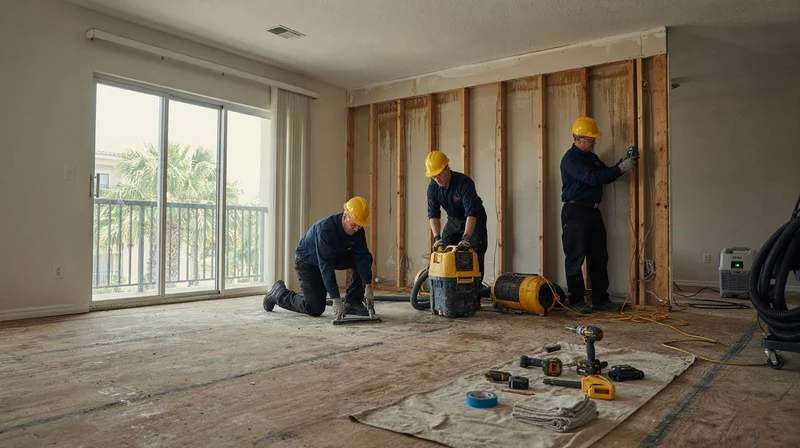
What condo water damage restoration involves
Matched local pros begin condo water damage restoration with a focused assessment. They identify the source, check for active leaks, and use moisture meters and thermal cameras to track where water moved across ceilings, walls, and floors. Because condos share assemblies, the evaluation often includes areas around plumbing stacks, risers, and adjacent units to understand the full path of moisture migration.
Next, they coordinate access and protection with building management. Hallways, elevator cabs, and lobbies are covered with floor protection and corner guards before equipment or materials move in or out. Where required, pros note quiet hours and plan work windows that fit building guidelines, keeping neighbors informed through posted notices or manager-approved updates.
Containment and protection inside your unit come first. Crews isolate the work area to keep clean rooms clean, shield contents with plastic sheeting, and set up filtration or ventilation as appropriate for dust and odor control during any necessary demolition. Electrical safety checks help ensure dehumidifiers and air movers are placed on circuits that can handle the load in a condo setting.
Water extraction uses portable, high-performance machines designed for mid- and high-rises. Technicians remove standing water, then focus on hidden moisture under floating floors, behind baseboards, and inside wall cavities. Materials are tested for salvageability: luxury vinyl plank, tile over concrete, and cabinet toe-kicks each respond differently to saturation, and the plan is tailored to what can be saved.
Structural drying follows. Low-profile air movers and properly sized dehumidifiers create airflow across damp surfaces and maintain the right humidity to pull moisture out of building materials. Pros monitor progress with daily readings, adjusting equipment as materials approach target moisture. They also manage equipment placement to minimize noise and maintain safe pathways in smaller condo footprints.
If materials are too damaged to dry in place, selective removal is performed. That can include taking off baseboards to vent walls, removing swollen trim, or opening limited sections of drywall to release trapped moisture. The goal is to stop deterioration while preserving as much of the finished space as possible, and to maintain required fire and sound separations between units during any temporary openings.
Cleaning and sanitation address residues left by the water source. When water is from a clean supply line, detailed drying and cleaning may be enough. If the source is a drain backup or other non-clean category, surfaces are cleaned and treated with appropriate disinfectants, and porous items that cannot be properly sanitized are removed. Odor control targets damp, musty smells and helps return the unit to a comfortable living condition.
Because water can travel vertically, pros also evaluate adjacent or lower units when building policy allows. Findings and recommendations are documented to help management coordinate any additional checks. Throughout the project, photos, readings, and notes are compiled into a clear record you can share with insurance and your association.
Leak Source Identification
Trace supply, drain, AC, or envelope leaks to stop active water intrusion.
Moisture Mapping And Documentation
Thermal imaging and meter readings to define the affected assemblies and track drying.
Water Extraction
Portable high-rise‑ready equipment removes standing water from floors and tight spaces.
Structural Drying
Low-profile air movers and dehumidifiers dry walls, ceilings, cabinets, and flooring systems.
Selective Demolition
Targeted removal of unsalvageable finishes to prevent ongoing damage and speed drying.
Cleaning And Sanitation
Appropriate cleaning methods and disinfectants based on the water source category.
Common-Area Protection
Floor guards, corner protection, and careful routing to keep hallways and elevators clean.
Condo water damage restoration cost factors
Pricing for condo water damage restoration depends on the size of the affected area, how far moisture traveled, and the type of finishes involved. Multi-layer flooring, built-in cabinetry, and concrete subfloors each change the amount of equipment, time, and detail needed to dry the structure. The water source matters too: clean supply water typically involves fewer sanitation steps than drain or groundwater intrusions.
Condo logistics can also influence cost. Access to upper floors, elevator reservations, loading limits, parking, and protection for hallways and lobbies add time and materials. Building rules about work windows or noise may shape how crews phase the project. When neighboring units require checks or coordinated work, documentation and management time increase as well.
Selective removal and disposal of damaged materials, the number and size of dehumidifiers and air movers, and the duration of monitoring all affect the total. Insurance documentation, detailed moisture logs, and photo records are typically included to support a smooth claim process.
For an overview of local pricing expectations without specific dollar amounts, see typical condo water damage restoration costs in Tampa.
Typical condo water damage restoration pricing from independent local contractors: $1,800 - $9,000. See condo water damage restoration prices in Tampa, FL.
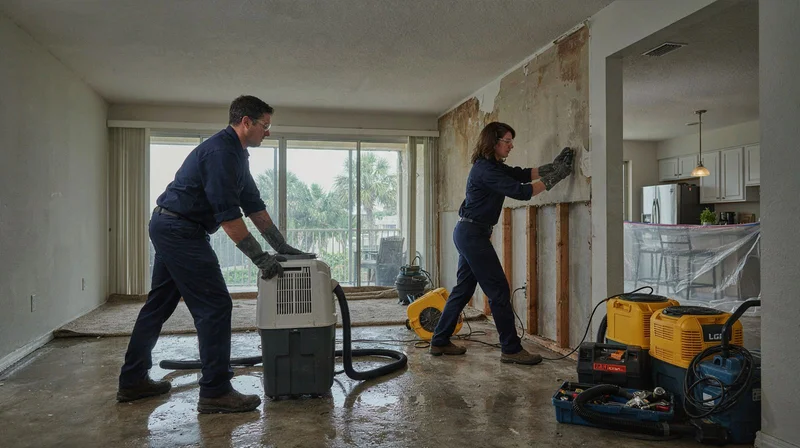
Why Choose Us for Condo Water Damage Restoration?
Condo-savvy local pros
Matched contractors understand stacked plumbing, tight footprints, and building rules common in Tampa, FL.
Respect for HOA and building policies
Hallways and elevators are protected, work windows are observed, and neighbors are considered.
Right-sized equipment for high-rises
Portable extractors and low-profile air movers fit condo access limits without sacrificing performance.
Thorough moisture detection
Thermal imaging and meter readings help find hidden water so problems don’t persist behind finishes.
Clear insurance-ready records
Photos, readings, and summaries support claims and provide a clean paper trail for your association.
How the condo restoration process works
Scheduling And Intake
Share details about the leak, building rules, and any access needs so the team arrives prepared.
On‑Site Assessment
Inspect the source, map moisture in walls, ceilings, and floors, and outline what needs immediate attention.
Protection And Setup
Safeguard hallways and elevators, shield contents, and stage equipment with safe electrical planning.
Extraction And Cleanup
Remove standing water and clean surfaces to stabilize the space and prevent further spread.
Drying Plan And Monitoring
Deploy air movers and dehumidifiers, then take regular readings to track progress and adjust equipment.
Selective Removal If Required
Open limited areas or remove damaged finishes that cannot be dried in place to protect the structure.
Sanitation And Odor Control
Treat impacted surfaces as needed based on the water category and address lingering odors.
Documentation And Wrap‑Up
Provide photos, moisture logs, and a summary you can share with insurance and building management.
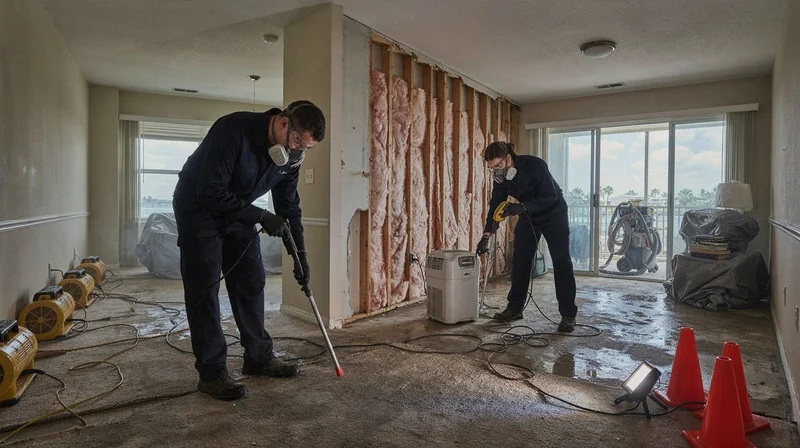
Tampa Water Damage Restoration Is Proud to Serve the Tampa, FL Area
Condo Water Damage Restoration FAQs
What makes condo water damage restoration different from single‑family work?
Condos share walls, ceilings, and mechanical chases, so water can travel into neighboring spaces. Pros protect common areas, coordinate with building management for access, and use equipment suited for elevators and upper floors. The plan also respects quiet hours and fire separations while drying or removing materials.
Can condo water damage restoration be done without disturbing neighbors?
Crews use low-profile equipment, plan placement to reduce noise, and follow building work windows. Hallways and elevators are protected to keep common spaces clean. Communication with management helps set expectations so neighbors know what to expect.
How do pros protect shared areas during condo water damage restoration?
They install floor protection and corner guards along travel paths, and cover elevator interiors before moving equipment. Debris is bagged and staged carefully, and routes are kept clear. This helps prevent scuffs, tracking, and other building damage during the project.
Will condo water damage restoration address moisture that reached a lower unit?
When building policy allows, technicians inspect or document conditions in adjacent or lower units to determine the extent of migration. Findings are shared with management so follow-up can be coordinated. The goal is to stop ongoing damage and align efforts across affected spaces.
What documentation comes with condo water damage restoration for insurance and HOA needs?
You can expect a summary of findings, photo sets, moisture readings, and drying logs. This packet helps your insurer understand the loss and shows your association that affected areas were addressed according to building guidelines.
Are certain condo materials harder to dry during condo water damage restoration?
Yes. Concrete subfloors under tile, saturated toe-kicks beneath cabinets, and multilayer floating floors can slow drying. Pros test each material, then choose techniques... like removing baseboards or venting cavities... to reach target moisture without unnecessary demolition.
Contact Us Today for a Free Estimate
Stop further damage and dry your space faster.
Schedule your water damage restoration service today.
Free — no obligations